Quaker Oats Settlement 2026: Pesticide Claims, Class Actions, and What Consumers Should Know
Quick Answer
- Quaker Oats has faced class action lawsuits over pesticide residue, specifically chlormequat, in its oat products.
- No confirmed 2026 settlement fund with a claims administrator and payout deadline has been announced.
- Any notice claiming a Quaker Oats settlement payout should be verified against federal court records before acting.
Quaker Oats is one of the most recognized breakfast brands in the United States. Its oatmeal, granola bars, and cereals sit in millions of pantries.
But in recent years, the brand has faced legal claims over pesticide residues in its oat products. The lawsuits allege that Quaker Oats products contain chlormequat, a chemical used to regulate plant growth.
As of March 2026, no verified class action settlement with an open claims process has been confirmed. That means no payout fund exists for consumers to file against right now.
This article explains the chlormequat litigation, what the lawsuits actually claim, how class actions work, and what to do if you bought Quaker Oats products.
The Facts
| Item | Details |
|---|---|
| Brand | Quaker Oats |
| Parent Company | PepsiCo |
| Legal Issue | Pesticide residue claims |
| Chemical at Issue | Chlormequat |
| 2026 Open Settlement | Not yet confirmed |
| Claim Deadline | Not yet set |
| Claims Administrator | Not yet appointed |
Is There a Quaker Oats Class Action Lawsuit in 2026?
Lawsuits against Quaker Oats over pesticide residue have been filed, but no verified settlement is open for claims in 2026.
The cases allege that Quaker Oats products contain chlormequat, a plant growth regulator. Some studies have raised concerns about chlormequat’s effects on reproductive health, though regulatory agencies have not banned the chemical in the United States.
Class action lawsuits take years to move from filing to settlement. A case filed in 2024 or 2025 may not reach a settlement with a claims process until later, if at all.
Here is the typical timeline for a consumer class action:
| Stage | Typical Duration |
|---|---|
| Filing | Day 0 |
| Motion to dismiss | 3 to 9 months |
| Discovery | 12 to 24 months |
| Class certification | 18 to 36 months |
| Settlement or trial | 24 to 48 months |
What Are the Quaker Oats Pesticide Lawsuits About?
The lawsuits center on chlormequat, a chemical used in agriculture to keep grain stalks from bending.
Chlormequat is approved for use on oats in some countries but not for food crops in the United States. However, trace amounts can appear in imported oats or through cross-contamination.
Plaintiffs allege that Quaker Oats products contain detectable levels of chlormequat and that the company did not warn consumers.
Here is what the lawsuits claim versus what the company has said:
| Element | Plaintiff Claim | Company Response |
|---|---|---|
| Chemical present | Chlormequat detected in products | Not fully confirmed |
| Health risk | Potential reproductive harm | Regulatory limits not exceeded |
| Duty to warn | Consumers should be told | No legal requirement |
| Damages | Refund or compensation | Denied liability |
How Much Could a Quaker Oats Settlement Pay?
No Quaker Oats settlement exists yet, so no payout amount can be confirmed.
If a settlement does emerge, consumer class action payouts for food product claims typically fall in a predictable range.
Here is how similar food product settlements have compared:
| Settlement Type | Typical Per-Person Payout |
|---|---|
| Food mislabeling | $5 to $50 with proof |
| Pesticide residue claim | $10 to $100 with proof |
| No proof of purchase | $5 to $25 |
| Refund for recalled product | Full purchase price |
These are historical ranges from other food brands, not Quaker Oats-specific numbers.
Reality Check: No legitimate class action settlement asks you to pay a fee to file a claim. If someone demands money to process your Quaker Oats settlement, it is a scam.
How Do I Check If a Quaker Oats Settlement Notice Is Real?
You check a settlement notice the same way you check a suspicious charge on your credit card. Look for the source, confirm the case, and never share data without verification.
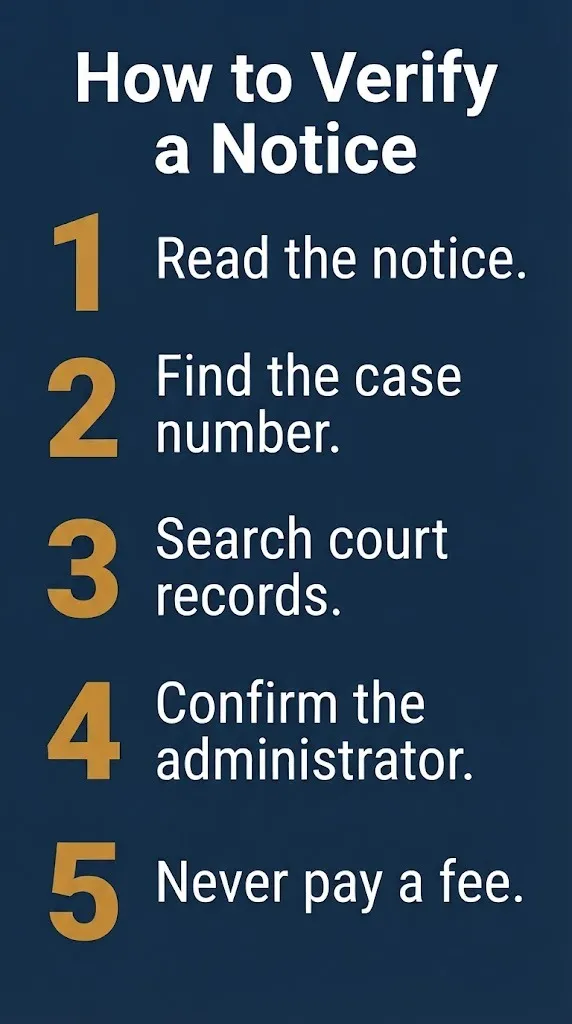
Here are the steps:
- Look for a court name and case number on the notice.
- Search that case number in federal PACER or the relevant state court.
- Confirm the claims administrator’s name on the official settlement website.
- Check the Better Business Bureau for administrator complaints.
- Never call the phone number printed on the notice without cross-checking it.
- Call the court clerk’s office named on the notice to confirm the case exists.
Real settlement notices name a real court, a real case number, and a real administrator. Fake notices usually miss one of those.
What Products Are Involved in the Quaker Oats Lawsuits?
The lawsuits generally cover Quaker Oats oat-based products, including oatmeal, granola bars, and cereals.
Here are the product categories named in various filings:
| Product Category | Examples |
|---|---|
| Oatmeal | Old Fashioned, Instant, Steel Cut |
| Granola bars | Chewy, Big Chewy, Protein |
| Cereal | Oatmeal Squares, Life |
| Snacks | Rice Cakes, Granola Bites |
The specific products named in any settlement would appear in the class definition. No settled class has been certified as of March 2026.
Should I Stop Eating Quaker Oats Products?
Regulatory agencies have not issued a recall for Quaker Oats products over chlormequat.
The U.S. Environmental Protection Agency has proposed allowing chlormequat on domestic oats, which means the regulatory landscape is still evolving.
If you are concerned, you can choose organic oat products, which are grown without synthetic pesticides. But no government agency has told consumers to stop eating Quaker Oats.
Here are your options:
- Continue eating the products based on current regulatory guidance.
- Choose organic alternatives if you want to avoid chlormequat.
- Keep receipts if you want to participate in any future settlement.
- Watch for FDA or EPA announcements about chlormequat.
Has Quaker Oats Faced Other Recalls or Lawsuits?
Quaker Oats has faced product recalls in the past, mostly related to potential salmonella contamination.
In late 2023 and early 2024, Quaker recalled several granola bar and cereal products due to possible salmonella contamination. Those recalls were separate from the pesticide lawsuits.
Here is a summary of recent Quaker Oats legal and regulatory events:
| Year | Event | Type |
|---|---|---|
| 2023-2024 | Granola bar and cereal recall | Salmonella risk |
| 2024 | Chlormequat lawsuits filed | Pesticide claims |
| 2025 | Litigation ongoing | No settlement confirmed |
| 2026 | No open settlement | Pending litigation |
Key Takeaway: A product recall for contamination is different from a class action settlement for pesticide residue. Both have affected Quaker Oats, but they are separate legal matters.
What Is Chlormequat and Why Is It Controversial?
Chlormequat is a plant growth regulator used in agriculture to keep grain stalks from bending, which makes harvesting easier.
It is approved for use on oats in several countries, including Canada and the United Kingdom. In the United States, it is approved for ornamental plants but not for food crops.
The controversy comes from studies suggesting chlormequat may affect reproductive health at certain exposure levels. Consumer advocacy groups have called for stricter limits.
Here is the regulatory status:
| Jurisdiction | Chlormequat Status |
|---|---|
| United States | Not approved for food crops |
| Canada | Approved for oats |
| European Union | Approved with limits |
| Imported products | May contain trace amounts |
The presence of chlormequat in U.S. food products likely comes from imported oats or cross-contamination.
How Do I Preserve My Rights in a Future Quaker Oats Settlement?
You do not need to do anything now. No settlement exists, so no claim process is open.
If a settlement is later certified, you will receive notice by mail or email if you are in the class. You can also watch legal news for announcements.
Here is what to keep in case a settlement emerges:
- Receipts from Quaker Oats purchases, physical or digital.
- Product packaging with lot numbers and purchase dates.
- Any records of illness or reaction you believe is linked.
- Your contact information current with retailers where you shop.
What Happens Next
Expected 2026: The chlormequat litigation against Quaker Oats may move through motion practice and discovery.
Ongoing: No settlement, class certification, or claims administrator has been announced.
Your move: Keep receipts if you want to participate in any future settlement. Watch federal court dockets, not social media.
If a settlement is announced: A court-appointed administrator will publish a notice with a real deadline and claim form.
Quaker Oats has faced real legal claims over pesticide residues, but no verified settlement is open for consumer claims in 2026.
The lawsuits are active, the science is contested, and the regulatory picture is still moving. None of that means you can file a claim right now.
Your job is to stay informed and verify any notice before sharing your information. Real settlements survive scrutiny. Scams do not.