Mary Ruth Organics Lawsuit 2026: What Consumers Need to Know
Quick Answer
- Mary Ruth Organics is a real supplement and wellness brand sold online and in major retailers.
- No confirmed 2026 class action settlement naming Mary Ruth Organics is open for consumer claims.
- Any notice claiming a Mary Ruth Organics payout should be checked against federal court records before action.
Mary Ruth Organics is a wellness brand known for liquid vitamins, probiotics, and herbal supplements. The company markets its products as clean, organic, and family-friendly.
But as of March 2026, no verified class action lawsuit against Mary Ruth Organics has reached a settlement with a claims administrator and payout deadline.
That does not mean the brand has never faced legal scrutiny. Supplement companies face lawsuits over labeling, ingredient claims, and marketing language all the time. The question is whether any specific Mary Ruth Organics case is active and paying.
This article separates verified legal actions from rumor, explains what types of lawsuits hit supplement brands, and shows you how to check if any notice you received is real.
The Facts
| Item | Details |
|---|---|
| Company | Mary Ruth Organics |
| Product Type | Liquid vitamins and supplements |
| 2026 Open Settlement | Not yet confirmed |
| Claim Deadline | Not yet set |
| Claims Administrator | Not yet appointed |
| Court | No verified class action as of March 2026 |
Is There a Mary Ruth Organics Lawsuit in 2026?
No verified Mary Ruth Organics class action lawsuit is open for claims in 2026.
The brand has faced consumer questions about ingredient sourcing, label claims, and product formulation in the past. Those questions sometimes lead to lawsuits, but no current settlement has been confirmed.
Supplement lawsuits typically fall into a few categories. Here are the most common:
| Lawsuit Type | Typical Claim |
|---|---|
| False advertising | Product does not contain what the label says |
| Misleading “organic” claim | Product is not certified organic as marketed |
| Ingredient mislabeling | Listed ingredients do not match the actual contents |
| Health claim violation | Company makes unapproved medical claims |
If a Mary Ruth Organics case exists, it would appear in federal or state court records. No such confirmed case with a settlement fund has been located as of this writing.
What Would a Mary Ruth Organics Lawsuit Claim?
A typical supplement lawsuit claims the product’s marketing does not match its contents.
Consumers might allege that a product labeled “organic” contains non-organic ingredients. Or they might claim the label overstates the amount of a vitamin or herbal extract.
Here is how those claims break down:
| Claim Type | What Plaintiff Must Prove |
|---|---|
| False advertising | Label would mislead a reasonable consumer |
| Mislabeling | Product contents differ from the label |
| Health claim violation | Company made unapproved medical claims |
| Warranty breach | Product did not perform as stated |
None of these claims are confirmed against Mary Ruth Organics in any active 2026 settlement.
How Much Could a Supplement Lawsuit Settlement Pay?
Consumer product class action settlements for supplements and wellness products typically pay small amounts per person.
The payout depends on whether you have proof of purchase, how many class members file claims, and the size of the settlement fund.
Here is how similar supplement settlements have compared:
| Settlement Type | Typical Per-Person Payout |
|---|---|
| False advertising | $5 to $50 with proof |
| Mislabeling claim | $10 to $100 with proof |
| No proof of purchase | $5 to $25 |
| Health claim violation | Higher, but individual proof required |
These are historical ranges from other supplement brands, not Mary Ruth Organics-specific numbers. No Mary Ruth Organics settlement exists to calculate from.
Reality Check: No legitimate class action settlement asks you to pay a fee to file a claim. If someone demands money to process your Mary Ruth Organics settlement, it is a scam.
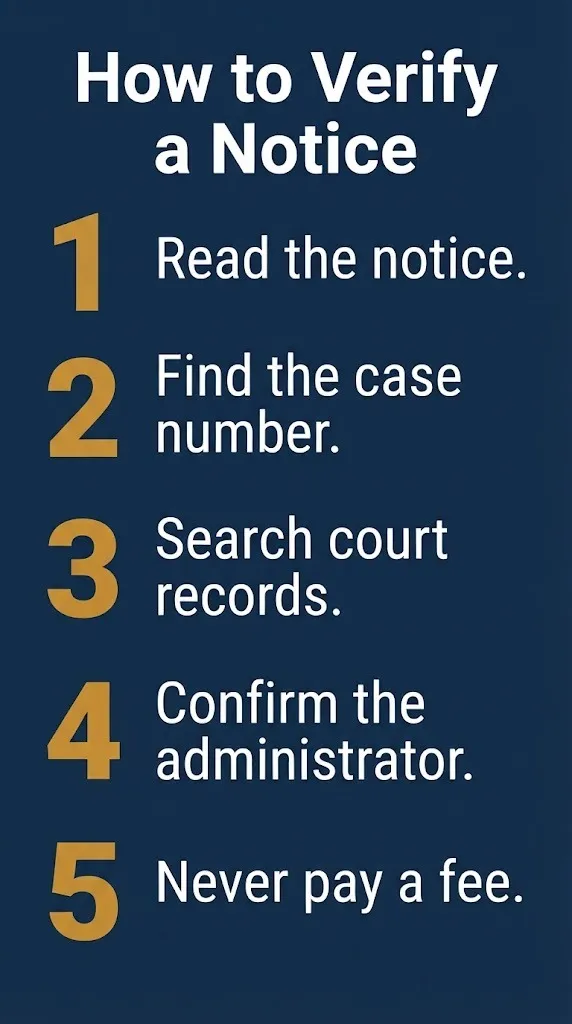
How Do I Check If a Mary Ruth Organics Settlement Notice Is Real?
You check a settlement notice the same way you check a suspicious charge on your credit card. Look for the source, confirm the case, and never share data without verification.
Here are the steps:
- Look for a court name and case number on the notice.
- Search that case number in federal PACER or the relevant state court.
- Confirm the claims administrator’s name on the official settlement website.
- Check the Better Business Bureau for administrator complaints.
- Never call the phone number printed on the notice without cross-checking it.
- Call the court clerk’s office named on the notice to confirm the case exists.
Real settlement notices name a real court, a real case number, and a real administrator. Fake notices usually miss one of those.
What Is Mary Ruth Organics Known For?
Mary Ruth Organics sells liquid vitamins, probiotics, and herbal supplements.
The brand markets itself as clean-label, organic, and free from artificial ingredients. Its products are sold through the company website, Amazon, and major retailers like Target and Walmart.
Here is a general category breakdown of Mary Ruth Organics products:
| Product Category | Common Examples |
|---|---|
| Liquid vitamins | Vitamin C, D3, B12 drops |
| Probiotics | Liquid and capsule forms |
| Herbal supplements | Elderberry, echinacea |
| Minerals | Magnesium, zinc, iron |
| Kids’ products | Children’s vitamin drops |
The specific formulation varies by product. Check the label on your bottle for the exact ingredient list.
Has Mary Ruth Organics Faced Any Other Lawsuits?
Supplement brands frequently face consumer lawsuits over label claims and ingredient disclosures.
Mary Ruth Organics has not had a confirmed class action settlement with an open claims process in recent public records. That does not mean no lawsuit has ever been filed. It means no settlement requiring consumer action has been verified as of March 2026.
Here is the pattern across the supplement industry:
| Brand Type | Lawsuit Type | Outcome |
|---|---|---|
| Various supplement brands | “Natural” labeling claims | Mixed settlements |
| Various vitamin brands | Ingredient mislabeling | Mixed dismissals |
| Various wellness brands | Health claim violations | FTC actions |
Key Takeaway: Supplement lawsuits are common, but not every lawsuit becomes a settlement, and not every settlement pays consumers enough to matter.
What Should I Do If I Used Mary Ruth Organics Products?
If you used Mary Ruth Organics products and had no problem, there is nothing to do.
If you had an adverse reaction or believe the product did not match its label, document it. Keep the product, note the lot number, and photograph the label. That evidence matters if a lawsuit or regulatory action later emerges.
Here is a simple documentation checklist:
- Keep the product container with the lot number.
- Photograph the ingredient list and label claims.
- Note when you used the product and what reaction occurred.
- See a doctor if the reaction was severe.
- Keep medical records and receipts.
- Report the issue to the company’s consumer line and the FDA.
What Happens Next
Expected 2026: No pending Mary Ruth Organics settlement has been confirmed for this year.
Ongoing: Supplement industry litigation continues across the board, but none involving Mary Ruth Organics has reached a payout stage.
Your move: If you see a settlement notice, verify the case number before sharing any data.
If a settlement is announced: A court-appointed administrator will publish a notice with a real deadline and claim form.
Mary Ruth Organics is a real company with real products. But no verified 2026 settlement fund exists for consumers to claim from.
The absence of a settlement does not mean the products are perfect or that no lawsuit will ever be filed. It means nothing is open for claims right now.
Your job is to verify before you share information. Real settlements survive scrutiny. Scams do not.