Estate Litigation Lawyers in 2026: Costs, Deadlines, and How to Choose One
Quick Answer
- Estate litigation lawyers typically charge $200 to $500 per hour, or 25 to 40 percent of any recovery on contingency.
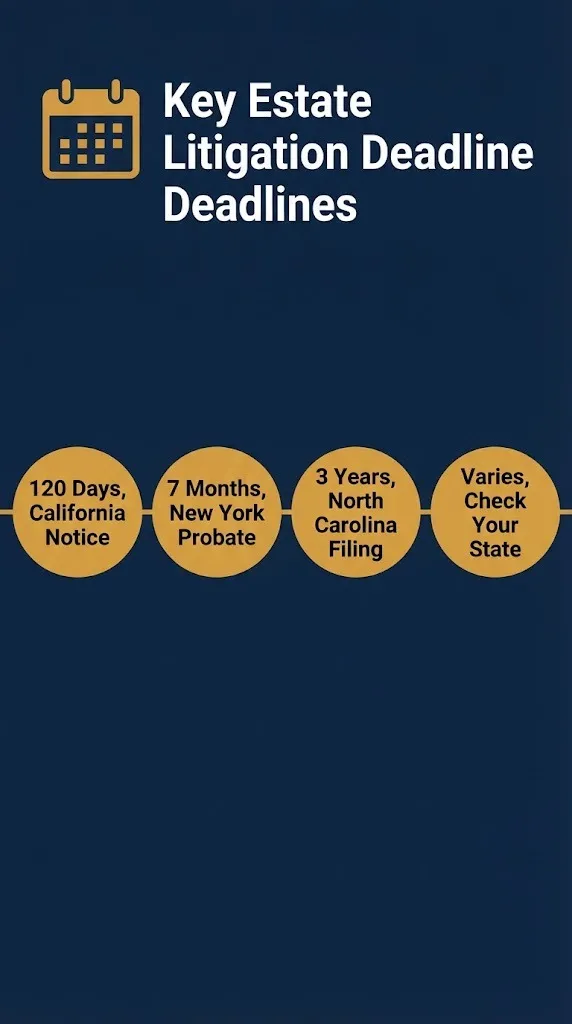
- Will contest deadlines vary sharply by state, from 120 days in California to 3 years in North Carolina.
- Most estate litigation firms offer a paid or free initial consultation before you commit to any fee structure.
Hiring an estate litigation lawyer means paying for a specific kind of specialist, not a general practice attorney who happens to handle probate paperwork on the side.
If you’re contesting a will, disputing an executor, or fighting over trust assets, the clock is already running against you in most states. One deadline stands out above the rest: North Carolina gives you three full years to contest a will, while California gives you as little as 120 days from notice.
This guide covers what these lawyers actually cost, what grounds hold up in court, and how the process moves from first phone call to final judgment. One detail worth knowing upfront: most estate litigation cases settle before trial, according to probate litigation firms that track their own caseloads.
The Facts
| Item | Detail |
|---|---|
| Topic | General guide to hiring an estate litigation lawyer, not a specific case |
| Typical Hourly Rate | $200 to $500, with metro-area specialists charging more |
| Typical Contingency Fee | 25 to 40 percent of the amount recovered |
| Consultation Fee | Often $100 to $400 for 30 to 60 minutes, some firms offer free consults |
| Will Contest Deadlines | Vary by state, from 120 days to 3 years after probate |
| Common Grounds | Lack of capacity, undue influence, fraud or forgery, improper execution |
| Proof Needed | Medical records, prior wills, witness statements, documented behavior changes |
What Is an Estate Litigation Lawyer, and What Do They Actually Do?
An estate litigation lawyer handles disputes over wills, trusts, and estate administration once those disputes move into a courtroom setting.
This is different from an estate planning attorney, who drafts wills and trusts before anyone dies. Estate litigation starts after a death or during administration, when someone believes the process or the documents themselves are flawed.

Common cases these lawyers take on include:
- Contesting the validity of a will
- Removing or challenging an executor’s conduct
- Disputing trust administration or trustee decisions
- Fighting over asset valuation or distribution
- Defending an estate against a contest filed by someone else
Think of this like hiring a specialist surgeon instead of your general practitioner. Both went to medical school, but only one operates.
Do You Actually Need an Estate Litigation Lawyer, or Just a Probate Attorney?
You need an estate litigation lawyer specifically once your case involves a genuine dispute, not just paperwork.
A probate attorney handles routine estate administration: filing documents, paying debts, and distributing assets without conflict. That’s a fundamentally different skill set from arguing a contested case in front of a judge.
Signs you’ve moved from routine probate into litigation territory:
- Someone has filed or threatened to file a will contest.
- Beneficiaries are accusing the executor of mismanagement.
- A trustee is refusing to provide an accounting.
- Family members disagree sharply over asset distribution.
- You suspect fraud, forgery, or undue influence occurred.
Key Takeaway: The moment a dispute becomes adversarial, a general probate attorney typically refers the case out to a litigator.
How Much Do Estate Litigation Lawyers Cost in 2026?
Estate litigation lawyers typically charge $200 to $500 per hour, with some metro-area specialists charging more for complex cases.
Costs vary heavily based on location, firm size, and whether the matter proceeds to trial. Solo practitioners and small firms generally sit at the lower end, while attorneys handling high-value estate disputes in major cities charge toward the top of that range.
| Fee Type | Typical Range |
|---|---|
| Hourly rate | $200 to $500 per hour |
| Contingency fee | 25 to 40 percent of recovery |
| Flat fee (simple probate matters) | $3,000 to $6,000 |
| Initial consultation | $100 to $400, or free at some firms |
Not yet determined: total case cost, since this depends entirely on how long your specific dispute takes to resolve.
Hourly Rates vs. Contingency Fees: Which Applies to Your Case?
Hourly billing and contingency fees are the two dominant fee structures in estate litigation, and your case type usually determines which one is available.
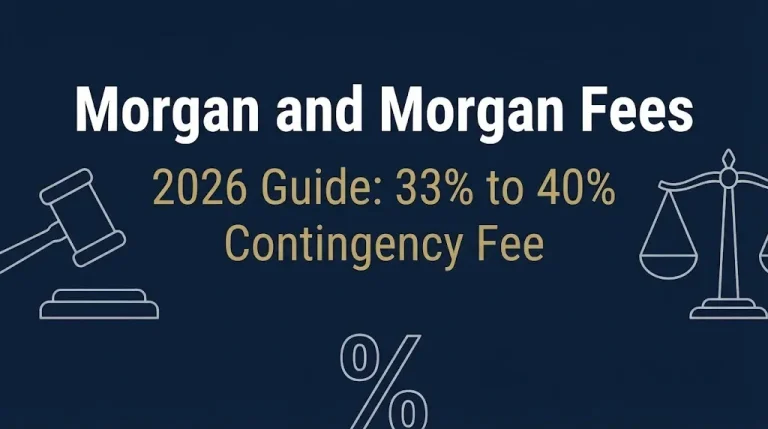
Contingency arrangements work when there’s a clear monetary recovery at stake, such as recovering estate assets or trust distributions. One named probate litigation firm reports handling roughly 75 percent of its cases on contingency, with standard rates of 33 percent if the case settles and 40 percent if it goes to trial.
Hourly billing dominates when the outcome isn’t a straightforward dollar recovery, such as executor removal or trust reformation. You pay the attorney regardless of outcome, win or lose, which shifts more financial risk onto you upfront.
A hybrid structure also exists: a reduced hourly rate combined with a smaller contingency percentage on any eventual recovery.
What If You Cannot Afford an Estate Litigation Lawyer?
You have several realistic options if hourly or contingency fees aren’t affordable right now.
Some firms offer sliding-scale fees based on income, particularly for smaller estates. Others will accept a partial retainer with the balance paid from any eventual recovery, if the case qualifies for contingency at all.
Options worth exploring before giving up on a legitimate claim:
- Ask firms directly about payment plans or reduced retainers
- Look for legal aid organizations that handle probate disputes
- Request a free consultation before committing to any fee structure
- Ask whether your specific claim qualifies for full contingency
Reality Check: No legitimate estate litigation firm demands a large upfront “processing fee” before reviewing your case, and free or low-cost consultations are standard across the industry. If someone pressures you to wire money before you’ve even spoken with an actual attorney, that’s a red flag, not normal practice.
What Grounds Actually Let You Contest a Will?
You can contest a will on four main legal grounds: lack of testamentary capacity, undue influence, fraud or forgery, and improper execution.
Lack of testamentary capacity means the person making the will didn’t understand what they owned, who their family members were, or what signing the document meant. Courts generally require medical evidence, not just a general sense that someone seemed “off.”
Key Takeaway: Simply disagreeing with how assets were divided is not a valid legal ground. Courts require one of the four recognized categories below, backed by real evidence.
| Ground | What You Must Show |
|---|---|
| Lack of capacity | Testator didn’t understand their assets, heirs, or the document itself |
| Undue influence | Someone overcame the testator’s free will through pressure or isolation |
| Fraud or forgery | The signature or document was falsified or obtained through deception |
| Improper execution | The will wasn’t signed or witnessed according to state requirements |
How Long Do You Have to Contest a Will? (Deadlines by State)
Will contest deadlines vary dramatically by state, and missing one permanently forfeits your right to challenge the will.
The clock typically starts when the will is admitted to probate, not the date of death. That distinction catches a lot of people off guard.
| State | Typical Deadline |
|---|---|
| California | 120 days from date of notice of probate |
| New York | 7 months from the will’s admission to probate |
| North Carolina | 3 years from the date the will is admitted to probate |
Some states pause this clock if you weren’t properly notified of the probate proceeding, or if you were legally incapacitated at the time. Always confirm your specific state’s current deadline with a licensed attorney, since these figures shift and exceptions apply.
What Does an Executor Dispute or Removal Case Look Like?
An executor dispute typically starts with allegations of mismanagement, self-dealing, or failure to follow the will’s instructions.
Beneficiaries can petition the probate court to remove an executor who is mishandling estate assets, missing deadlines, or refusing to communicate. The court doesn’t remove executors lightly, since the role carries legal authority the deceased specifically assigned.
Common grounds for executor removal include:
- Failing to file required inventories or accountings
- Mixing personal funds with estate assets
- Favoring one beneficiary over others improperly
- Failing to pay estate debts or taxes on time
- Conflicts of interest that compromise fair administration
This is similar to disputing a warranty claim where the company just isn’t holding up its end. The role exists to serve everyone’s interests, not just the executor’s own.
What Is Trust Litigation, and How Is It Different From a Will Contest?
Trust litigation involves disputes over how a trust is administered, rather than whether the underlying document itself is valid.
A will contest challenges the document’s validity outright: was it signed properly, was the person competent, was there fraud involved. Trust litigation more often focuses on trustee conduct after the trust is already accepted as valid.
Key Takeaway: You can simultaneously trust that a document is legally valid while still having grounds to sue over how it’s being carried out.
Common trust litigation issues include a trustee refusing to provide a financial accounting, mismanaging trust investments, or favoring certain beneficiaries. These cases often move faster than will contests since there’s less dispute over the document’s core validity.
How Do You Find and Hire the Right Estate Litigation Lawyer?
You find the right estate litigation lawyer by prioritizing specific probate litigation experience over general practice credentials.
- Search specifically for “estate litigation” or “probate litigation,” not general estate planning.
- Confirm the attorney regularly appears in your specific probate court.
- Ask about their track record with cases similar to yours.
- Request a clear breakdown of fee structure before signing anything.
- Check state bar records for any disciplinary history.
- Read reviews focused on litigation outcomes, not just planning services.
What Questions Should You Ask in a Consultation?
You should walk into any consultation with specific questions about cost, timeline, and case strength, not just general concerns.
Strong questions to ask include:
- What fee structure do you recommend for my specific case, and why?
- What’s your realistic assessment of my case’s strength?
- How long do cases like mine typically take to resolve?
- What costs beyond your fee should I expect (filing fees, experts)?
- Have you handled cases in this specific probate court before?
How Does an Estate Litigation Case Typically Proceed, Step by Step?
Estate litigation typically follows a defined sequence, from initial filing through discovery to resolution or trial.
- You consult an attorney and establish legal standing to sue.
- Your attorney files a formal petition or contest in probate court.
- All interested parties get formally served with notice.
- Both sides exchange evidence during the discovery phase.
- Settlement negotiations often begin once evidence is gathered.
- If unresolved, the case proceeds to a probate court trial.
- The court issues a ruling on the contested matter.
Key Takeaway: Most estate litigation cases resolve through settlement before ever reaching trial, since trials are expensive and outcomes are unpredictable for both sides.
How Long Does Estate Litigation Actually Take?
Estate litigation cases typically take anywhere from several months to over two years, depending on complexity and whether the case goes to trial.
Straightforward disputes with clear evidence can resolve in three to six months through negotiation. Contested cases involving extensive discovery, expert witnesses, or trial can stretch well past a year.
This works a lot like a delayed tax refund tied up in an audit. The simple cases clear fast, while anything requiring deeper review takes considerably longer.
What Happens If You Lose an Estate Litigation Case?
Losing a will contest generally means the original will stands as written, and you may also face consequences under a no-contest clause if one exists.
A no-contest clause, sometimes called an “in terrorem” clause, can disinherit a beneficiary who challenges a will and loses. Not every state enforces these clauses equally, and some require the challenge to have been made in bad faith before the penalty applies.
Before filing any contest, ask your attorney directly whether a no-contest clause exists in the document and how your state treats it.
What Happens Next
Immediate: You schedule a consultation with an estate litigation attorney to assess standing and deadlines.
Within your state’s filing window: Your attorney files the formal contest or petition, if the case has merit.
Following months: Discovery proceeds as both sides exchange evidence and take depositions.
Expected resolution: Most cases settle during or after discovery, before reaching a final trial date.
If unresolved: The case proceeds to a probate court trial, where a judge issues a binding ruling.
Frequently Asked Questions
How much does it cost to hire an estate litigation lawyer?
Estate litigation lawyers typically charge $200 to $500 per hour, or 25 to 40 percent of any recovery on contingency.
Flat fees are rare in litigation but common for simpler probate matters, often $3,000 to $6,000.
Always confirm the fee structure in writing before signing a retainer agreement.
How long do I have to contest a will?
Deadlines vary significantly by state, ranging from as little as 120 days to as long as 3 years.
The clock generally starts when the will is admitted to probate, not the date of death.
Confirm your specific state’s deadline with an attorney immediately, since missing it forfeits your right to contest.
What are valid grounds for contesting a will?
Valid grounds include lack of testamentary capacity, undue influence, fraud or forgery, and improper execution.
Simply disagreeing with how assets were divided is not a legally recognized ground.
Courts require documented evidence, such as medical records or witness testimony, to support any claim.
Can I remove an executor who is mismanaging an estate?
Yes, beneficiaries can petition the probate court to remove an executor for mismanagement or misconduct.
Common grounds include mixing personal funds with estate assets or missing required filings.
The court doesn’t remove executors lightly, so strong documentation of the misconduct helps your case.
Do estate litigation lawyers work on contingency?
Some do, particularly when the case involves a clear monetary recovery, such as reclaiming estate assets.
One probate litigation firm reports handling about 75 percent of its cases on contingency.
Not every case qualifies, since disputes like executor removal don’t always involve a direct dollar recovery.
What happens if I lose a will contest?
If you lose, the original will generally stands as written, and the estate proceeds accordingly.
Some wills include a no-contest clause that can disinherit a beneficiary who challenges and loses.
Ask your attorney about this clause before filing, since state enforcement of it varies.
How long does estate litigation typically take?
Estate litigation typically takes several months to over two years, depending on complexity.
Straightforward disputes can resolve in three to six months through negotiation.
Cases involving trial, extensive discovery, or expert witnesses often take considerably longer.
The Bottom Line
Estate litigation moves fast in some states and slowly in others, but the fee structure and deadline questions matter from your very first phone call.
Ask about hourly versus contingency pricing upfront, and confirm your state’s specific will contest deadline before you do anything else.