Omegaverse Lawsuit 2026: The Addison Cain and Zoey Ellis Copyright Fight That Defined a Genre
Quick Answer
- Is it legit: Yes. The Omegaverse Lawsuit was a real federal copyright and defamation dispute between two published authors over common romance tropes.
- How much: There is no settlement fund and no payout. The case ended without a public damages award to either side.
- Deadline: None. The litigation closed in July 2020. Any 2026 claim of an open Omegaverse settlement is false.
If you searched for “Omegaverse lawsuit,” you probably saw a TikTok, a Tumblr thread, or a YouTube video describing a bizarre legal fight over werewolf erotica. The story is real, and it ended years ago. Nobody is owed money from it, and no court is still deciding it.
The dispute centered on Addison Cain, author of the Alpha’s Claim series, and Zoey Ellis, author of the Myth of Omega series. Cain claimed Ellis plagiarized her work. Ellis fought back, arguing the similarities were genre tropes that nobody owns. The case became a landmark moment for fanfiction communities and a cautionary tale about copyright misuse.
This article covers what actually happened in court, why the case closed, what it means for writers in 2026, and how to spot the fake settlement offers that circulate around this headline every few months.
The Facts
| Item | Verified Detail |
|---|---|
| Case Name | Quill Ink Books Limited, et al. v. ABCD Graphics and Design Inc., et al. |
| Related Case | Cain’s suit in Oklahoma against Blushing Books (resolved) |
| Court | U.S. District Court, Eastern District of Virginia |
| Filed | 2019 |
| Status | Closed July 2020 |
| Core Claims | Copyright misuse, defamation, tortious interference |
| Settlement Fund | None. No class action, no payout. |
| Administrator | Not applicable |
Is the Omegaverse Lawsuit Real or a Scam?
The Omegaverse Lawsuit was real, but it is not active in 2026. The federal case in Virginia closed in July 2020, according to fanlore records and court documents from the litigation .
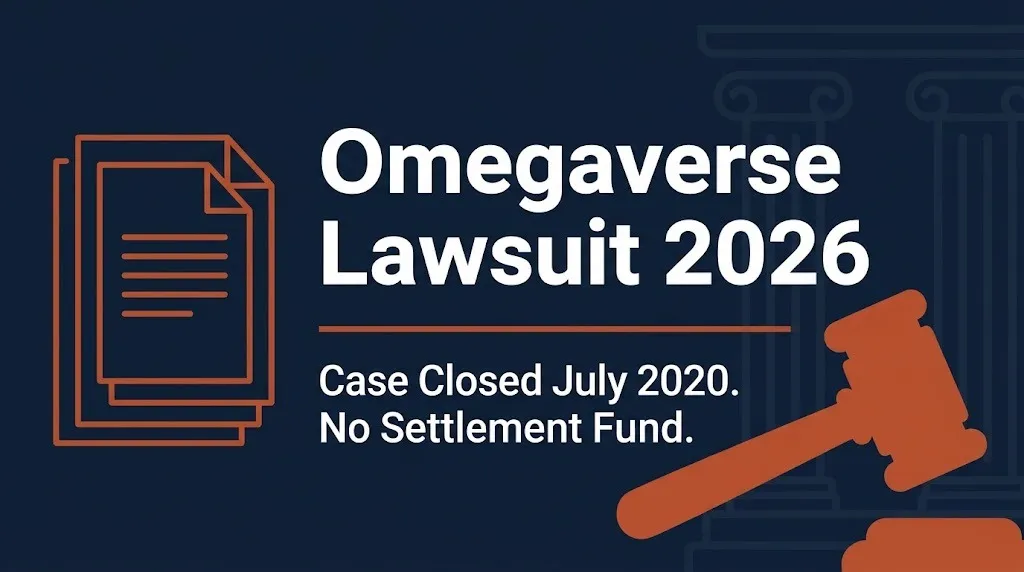
The scam risk is what you need to watch now. Any post, text, or website claiming an “Omegaverse settlement payout” is fake. No fund was ever created. No claim form exists. The case was a private dispute between two authors and their publishers, not a class action.
The confusion comes from the case’s afterlife. The Omegaverse Litigation is still discussed constantly on Tumblr, YouTube, and Reddit because it raised a genuinely interesting legal question: can an author claim ownership of a trope like “alpha/omega dynamics” or “fated mates” . That ongoing discussion keeps the search term alive, but it does not reopen the case.
Key Takeaway: The Omegaverse Lawsuit is a closed 2020 case, not a 2026 settlement. Anyone offering you money from it is lying.
How Much Was the Omegaverse Lawsuit Settlement?
There was no Omegaverse Lawsuit settlement payout. The case closed without a public damages award, and no fund was established for readers, writers, or anyone else.
The financial stakes were real during the litigation. Cain’s side sent DMCA takedown notices that pulled Ellis’s books from major retailers, costing Ellis sales and momentum . Ellis countersued for defamation, tortious interference, and copyright misuse, arguing Cain falsely claimed ownership of genre tropes to eliminate competition .
At one point, analysis of the dispute suggested the total sales impact on Ellis might have been around $2,000, a strikingly small number given the legal fees both sides likely incurred . That gap between legal cost and actual damages is one reason the case eventually resolved rather than going to a full trial with a large judgment.
| Financial Item | Verified Detail |
|---|---|
| Settlement fund | None |
| Consumer payout | None |
| Estimated sales impact on Ellis | Around $2,000, per early case analysis |
| Public damages award | None |
Reality Check: No one texts you settlement money first. The Omegaverse case never produced a fund, a claim form, or a payout. If a website asks for your information to “process your Omegaverse settlement,” it is a scam, not a court process.
Can You File a Claim in the Omegaverse Lawsuit?
You cannot file a claim because no claim process exists. The Omegaverse Litigation was a private business dispute, not a class action with a defined class and a court-approved fund.
Class actions create claim forms when a judge approves a settlement and sets eligibility rules. None of that happened here. The case involved specific authors, specific books, and specific DMCA notices. The public was never a party.
If you are a writer who was affected by DMCA takedowns during the 2018 to 2020 period, your path was never a class claim. It would have been an individual legal consultation about your own specific notices, and the statute of limitations on those claims has long since passed.
The only people with a formal role in the case were Addison Cain, Zoey Ellis, and their respective publishers. Everyone else is an observer of a closed chapter in publishing law.
What Was the Omegaverse Lawsuit About?
The Omegaverse Lawsuit was about whether one author could claim ownership of common romance tropes and use copyright law to remove a competitor’s books from stores. The court system ultimately did not validate that claim.
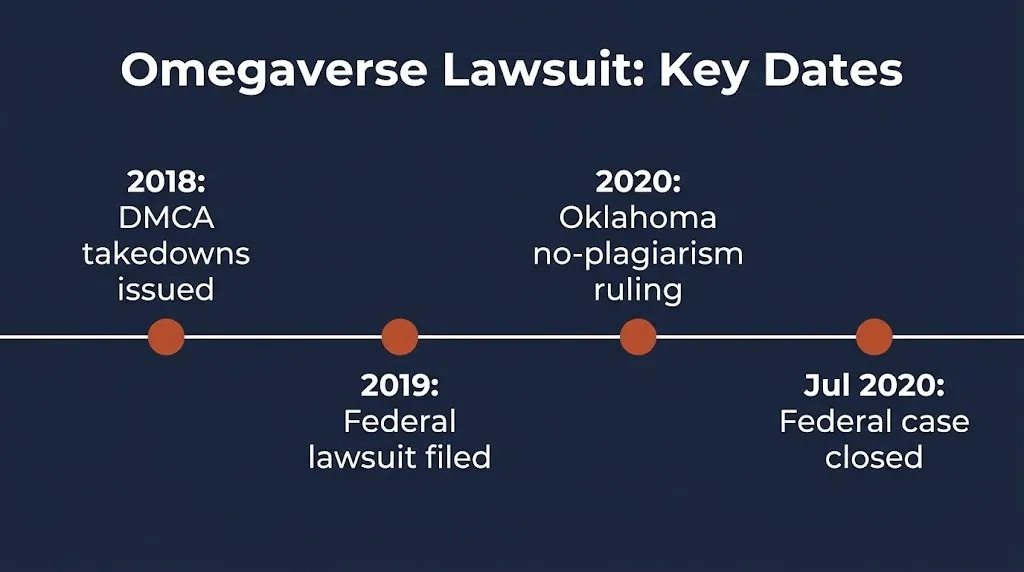
The sequence started in 2018. Cain’s publisher, Blushing Books, sent DMCA takedown notices to retailers including Barnes and Noble and iTunes, claiming Ellis’s novel Crave to Conquer was a “plagiarized work” that copied Cain’s Born to Be Bound . Most retailers pulled Ellis’s books immediately.
Ellis responded with a federal lawsuit in Virginia. Her claims included defamation, tortious interference with business, and copyright misuse. The copyright misuse claim was the legally interesting one: Ellis argued Cain was using her copyright not to protect her work, but to suppress competition by claiming ownership over tropes that belong to the genre .
The case forced a court to confront an uncomfortable question for fanfiction communities. If an author writes in a shared universe built by thousands of anonymous fans, what exactly does she own?
Why Did the Omegaverse Lawsuit End?
The Omegaverse Lawsuit ended because the parties resolved their disputes, and the federal case closed in July 2020. No trial verdict established whether Cain or Ellis was right on the merits.
The resolution came through a combination of factors. Cain’s separate Oklahoma lawsuit against Blushing Books was resolved, and a judgment in that case stated that no plagiarism occurred . That outcome undermined the foundation of the DMCA notices at the center of the Virginia case. With the plagiarism claim rejected in one court, the defamation and copyright misuse claims in Virginia lost much of their force.
The federal case closed without a public settlement amount or a finding of liability. The fanfiction community treated the closure as a victory for Ellis and for the principle that tropes are not property . Whether that reading is legally precise, it is the one that stuck.
Key Takeaway: The case ended without a trial verdict, but the Oklahoma judgment against Cain’s plagiarism claim did the work. The DMCA notices that started the fight were undercut by a court finding no plagiarism occurred.
What Is the Omegaverse and Why Did It Go to Court?
The Omegaverse is a fan-created fiction genre built around wolf-like biological dynamics, including alpha, beta, and omega roles. It originated in online fanfiction communities and spread into commercial romance publishing.
The genre’s tropes include mating bonds, heats, scent-marking, and power dynamics between alphas and omegas. These elements are shared across thousands of stories. No single author invented them, and the Omegaverse community treats them as common property .
That shared origin is what made the lawsuit so strange. Cain argued that Ellis copied specific expressions of these tropes. Ellis argued that the similarities were the tropes themselves, which nobody can own. The case put a spotlight on the tension between a collaborative creative community and the commercial marketplace that grew out of it.
The court never issued a final ruling on the copyrightability of Omegaverse tropes. The case closed before that question was definitively answered. But the legal consensus outside this case is clear: ideas and tropes are not copyrightable, only specific expressions are .
What Happens Next After the Omegaverse Lawsuit?
Nothing happens next in the courts. The case is closed. But the Omegaverse community continues to discuss it, and the legal questions it raised still matter for writers in 2026.
July 2020: Federal case closed. This already happened.
Ongoing: Fanfiction communities and publishing law commentators continue to cite the case as a warning about DMCA misuse.
Ongoing: Authors writing in shared-trope genres face the same questions about what they can and cannot claim as their own.
No future date: There is no claim window, no fairness hearing, and no payout schedule. None is scheduled because none exists.
Frequently Asked Questions
Is the Omegaverse lawsuit still active?
No. The federal case closed in July 2020. No active litigation remains.
Did Addison Cain win the Omegaverse lawsuit?
No. The case closed without a verdict in her favor, and a separate Oklahoma judgment found no plagiarism occurred.
Did Zoey Ellis get money from the lawsuit?
No public damages award or settlement amount was disclosed. The case resolved without a reported payout.
Can I get money from the Omegaverse lawsuit?
No. It was a private dispute, not a class action. There is no fund and no claim form.
What was the Omegaverse lawsuit about?
It was a copyright and defamation dispute over whether common romance tropes could be claimed as one author’s property.
Who is Addison Cain?
Addison Cain is the author of the Alpha’s Claim series, including Born to Be Bound. She filed the DMCA notices that started the dispute.
Who is Zoey Ellis?
Zoey Ellis is the author of the Myth of Omega series. She sued Cain and her publisher over the takedown notices.
Where can I check if an Omegaverse settlement is real?
There is no settlement to check. Court records from the Eastern District of Virginia show the case closed in 2020.
The Omegaverse Lawsuit is over. It closed in July 2020, produced no payout, and left the big legal question about trope ownership unresolved. If you see a 2026 claim form or a text promising Omegaverse money, it is not connected to the real case.
The date that matters is July 2020, when the docket closed. That door is shut. For writers in 2026, the lesson is simpler: tropes are shared, expressions are yours, and DMCA notices sent in bad faith can cost more than they silence.