Truvada Lawsuit 2026: Latest Updates, Settlement Amounts, and What to Expect
Quick Answer
- Truvada lawsuits claim Gilead Sciences knew about bone and kidney risks but delayed a safer alternative.
- No global settlement or claims administrator has been announced as of March 2026.
- Settlement amounts, if any emerge, remain unconfirmed and will depend on individual injury severity.
Truvada is a prescription medication used to treat and prevent HIV. It has been on the market for over two decades.
Thousands of people have filed lawsuits against Gilead Sciences, the maker of Truvada. The lawsuits claim the drug caused bone loss, kidney damage, or both, and that Gilead knew about the risks but delayed releasing a safer version.
As of March 2026, no global settlement has been announced. There is no claims administrator, no settlement website, and no deadline to file a claim.
This article explains the Truvada litigation, what the lawsuits claim, what settlement amounts might look like, and what to do if you took Truvada.
The Facts
| Item | Details |
|---|---|
| Drug | Truvada |
| Manufacturer | Gilead Sciences |
| Active Ingredients | Emtricitabine and tenofovir disoproxil fumarate |
| Lawsuits Filed | Thousands |
| Primary Claims | Bone loss, kidney damage |
| 2026 Global Settlement | Not yet confirmed |
| Claims Administrator | Not yet appointed |
Is the Truvada Lawsuit a Class Action?
The Truvada litigation is not a traditional class action with a single settlement fund.
Instead, thousands of individual lawsuits have been consolidated into federal multidistrict litigation, or MDL. The MDL process groups similar cases for pretrial proceedings.
Here is how the structure works:
| Structure | What It Means |
|---|---|
| Multidistrict litigation | Federal cases consolidated before one judge |
| Individual lawsuits | Each plaintiff keeps their own case |
| Bellwether trials | Test cases to gauge jury response |
| State court cases | Separate cases filed in state courts |
The cases are centralized in the Northern District of California before a federal judge.
What Do the Truvada Lawsuits Claim?
The lawsuits claim that Gilead Sciences knew tenofovir disoproxil fumarate, or TDF, caused bone and kidney problems.
Plaintiffs say Gilead had a safer alternative, tenofovir alafenamide, or TAF, but delayed releasing it to protect its patent on the older drug.
Here are the core allegations:
| Claim | What Plaintiffs Allege |
|---|---|
| Kidney damage | TDF caused chronic kidney disease or failure |
| Bone loss | TDF caused osteoporosis or fractures |
| Delayed safer drug | Gilead withheld TAF for patent reasons |
| Failure to warn | Gilead did not adequately warn patients |
Gilead denies the allegations. The company says Truvada’s label warned about bone and kidney risks and that the drug’s benefits outweigh its risks.
When Will the Truvada Lawsuit Be Settled?
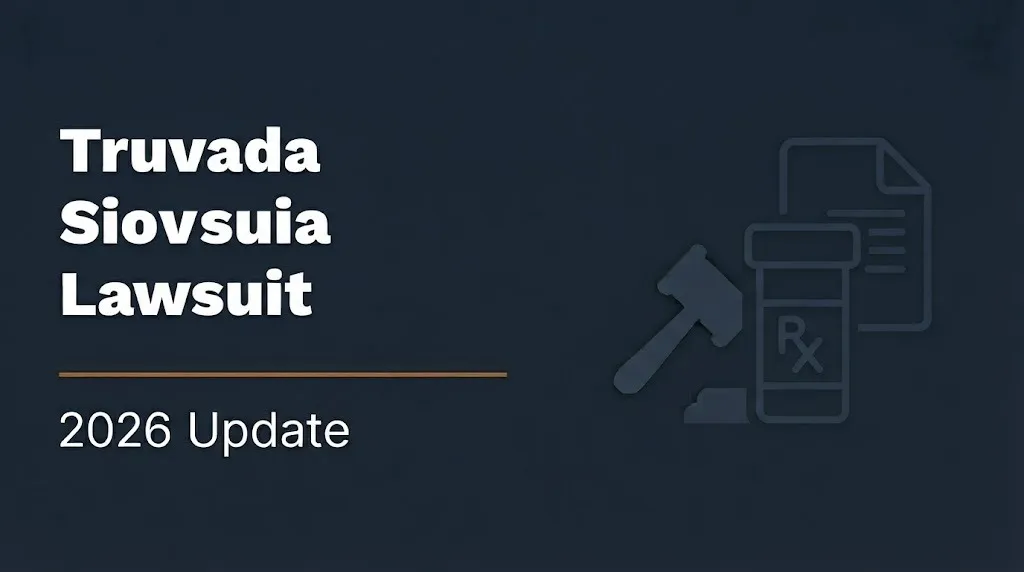
No settlement date has been announced. The litigation is still in pretrial proceedings.
Bellwether trials are the key milestone. Those test cases help both sides evaluate how juries respond and often lead to settlement negotiations.
Here is the expected timeline:
| Stage | Status as of March 2026 |
|---|---|
| Discovery | Ongoing |
| Bellwether selection | Ongoing or expected |
| Bellwether trials | Not yet completed |
| Global settlement | Not yet confirmed |
| Payouts | Not yet scheduled |
Key Takeaway: The Truvada litigation is still in the pretrial phase. No settlement is imminent, and no payout date exists.
What Are the Truvada Lawsuit Settlement Amounts?
No settlement amounts have been confirmed because no settlement exists.
If a global settlement or series of individual settlements emerge, the amounts will depend on injury severity, age, duration of use, and other factors.
Here is how similar pharmaceutical injury settlements have compared:
| Settlement Type | Typical Per-Person Range |
|---|---|
| Bone loss only | $50,000 to $250,000 |
| Kidney damage | $100,000 to $500,000 |
| Kidney failure | $250,000 to $1 million plus |
| Wrongful death | $500,000 to $2 million plus |
These are historical ranges from other drug injury cases, not Truvada-specific numbers.
Reality Check: No legitimate Truvada settlement asks you to pay a fee to file a claim. If someone demands money to process your Truvada claim, it is a scam.
How Do I Know If I Qualify for a Truvada Lawsuit?
You may qualify if you took Truvada and developed bone loss, kidney damage, or both.
The strongest cases involve a documented diagnosis, a prescription history showing Truvada use, and medical records linking the condition to the drug.
Here is what you need:
- Medical records showing a bone or kidney diagnosis.
- Pharmacy records showing Truvada prescriptions.
- Dates and duration of Truvada use.
- Your treating doctor’s opinion on causation.
- No other clear cause for the condition.
If you took Truvada but have no injury, you likely do not have a case.
What Are the Side Effects Named in the Truvada Lawsuits?
The two main side effects are bone loss and kidney damage.
Bone loss can lead to osteoporosis, osteopenia, and fractures. Kidney damage can progress to chronic kidney disease or kidney failure.
Here is how the side effects compare:
| Side Effect | Common Diagnoses |
|---|---|
| Bone loss | Osteoporosis, osteopenia, fractures |
| Kidney damage | Chronic kidney disease, acute kidney injury, Fanconi syndrome |
| Combined | Both bone and kidney problems |
The severity of the diagnosis drives the potential case value.
What Is the Difference Between Truvada and Descovy?
Truvada contains tenofovir disoproxil fumarate, or TDF. Descovy contains tenofovir alafenamide, or TAF.
Gilead developed TAF as a newer version of tenofovir with lower bone and kidney toxicity. The lawsuits claim Gilead delayed releasing TAF to extend its Truvada patent.
Here is the comparison:
| Drug | Tenofovir Form | Bone/Kidney Risk |
|---|---|---|
| Truvada | TDF | Higher |
| Descovy | TAF | Lower |
The timing of Descovy’s release is central to the litigation.
What Should I Do If I Took Truvada?
If you took Truvada and were diagnosed with bone or kidney problems, gather your records and speak with a lawyer.
Do not stop taking any medication without talking to your doctor. Truvada is effective for HIV treatment and prevention, and stopping it can have serious consequences.
Here is your action plan:
- Keep taking your medication as prescribed.
- Gather pharmacy records showing Truvada use.
- Obtain medical records showing your diagnosis.
- Note when your symptoms began.
- Consult a lawyer experienced in pharmaceutical injury cases.
- Do not pay any upfront fees. Legitimate lawyers work on contingency.
What Happens Next
Expected 2026: Bellwether trial selection and scheduling continue in the Truvada MDL.
If bellwether trials begin: Jury outcomes will signal the settlement landscape.
If a settlement is reached: A claims administrator will be appointed and a deadline set.
Your move: Document your diagnosis and prescription history now, before any deadline exists.
The Truvada litigation is real, active, and significant. Thousands of people claim the drug harmed them.
But no settlement exists as of March 2026. No payout amount is confirmed. No claim form is available.
The smartest thing you can do is document your medical history and speak with an attorney who handles pharmaceutical injury cases. If a settlement comes, you will be ready.