Compensation Lawyers Near Me in 2026: How to Find the Right Workers Comp Attorney in NYC and Beyond
Quick Answer
- A workers compensation lawyer handles job injury claims under state law, not federal court.
- In New York, workers comp attorneys charge contingency fees capped by the Workers Compensation Board.
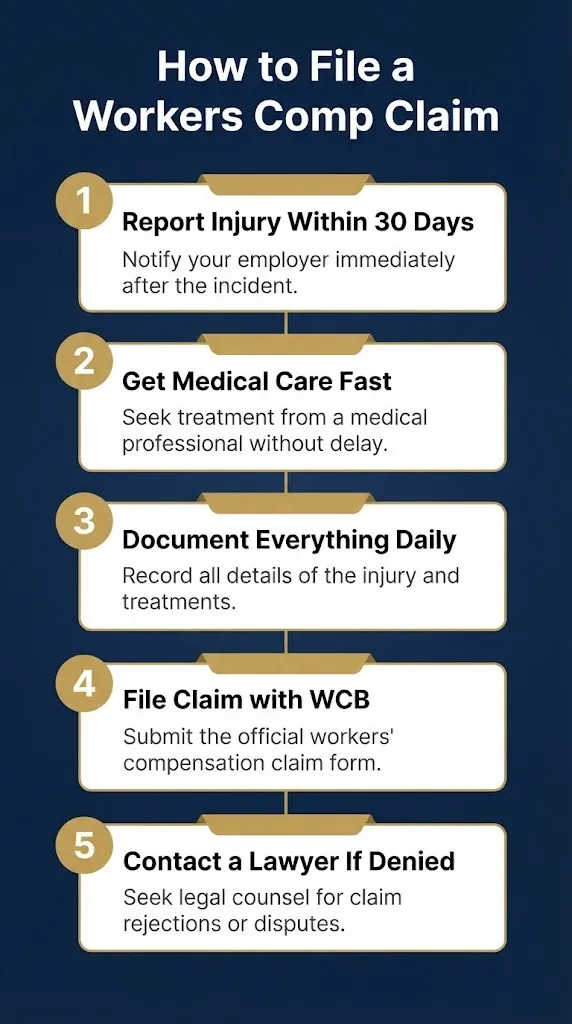
- You must report a work injury within 30 days, and the formal claim deadline in New York is generally two years.
If you typed “compensation lawyers near me,” “workers compensation attorney NYC,” or “New York City workers compensation lawyer” into a search bar, you probably got hurt at work, reported it, and now face a system that feels like it was built to confuse you. This article gives you the verified facts about finding the right lawyer, what workers compensation attorneys actually do, what benefits you may qualify for, and how to tell a real advocate from a settlement mill.
Workers compensation is not a lawsuit in the traditional sense. It is an administrative system. In New York, the Workers Compensation Board runs it. You do not sue your employer. You file a claim for benefits.
The surprising verified detail: New York has one of the highest workers compensation weekly benefit maximums in the country, but it also has one of the most complex claim processes, which is why attorney representation is more common there than in many other states.
The Facts
| Fact | Detail |
|---|---|
| Governing agency in NYC | New York State Workers Compensation Board |
| Claim type | Administrative, not a civil lawsuit against employer |
| Injury report deadline | 30 days to notify employer |
| Formal claim deadline | Generally two years from injury |
| Weekly benefit rate | Two-thirds of average weekly wage, subject to state maximum |
| Attorney fee structure | Contingency, capped by the Workers Compensation Board |
| Typical fee in New York | 15 percent of benefits, subject to judge approval |
Is Hiring a Workers Compensation Lawyer Worth It in 2026?
Hiring a workers compensation lawyer is often worth it when your claim is denied, your benefits are delayed, or your injury prevents you from returning to your old job. The system is not designed for self-representation, especially in New York.
New York workers compensation law has specific procedural rules. Missing a deadline, failing to file the right form, or accepting a low settlement without understanding the consequences can cost you tens of thousands of dollars. A lawyer who knows the system can navigate those rules.
But not every claim needs a lawyer. If your injury is minor, your employer accepts the claim, and your medical bills are paid promptly, you may not need representation. The moment something goes wrong, however, the balance shifts.
The key question is whether the lawyer adds more value than the fee they charge. In New York, attorney fees in workers compensation cases are capped by law and must be approved by the Workers Compensation Board.
Key Takeaway: You may not need a lawyer for a simple accepted claim, but a denial, a dispute over medical care, or a permanent injury changes that calculation fast.
How Much Does a Workers Compensation Lawyer Cost in NYC?
New York law caps attorney fees in workers compensation cases. The fee is typically 15 percent of the benefits the lawyer helps you recover. The exact percentage must be approved by a workers compensation law judge.
You do not pay upfront. The lawyer works on contingency, meaning they get paid only if you recover benefits. If you lose, you generally owe no attorney fee, though you may owe litigation costs.
The fee comes out of your benefits. If your lawyer recovers $50,000 in back benefits and future medical care, the fee would be $7,500 at 15 percent. That is real money, but it is also the only way most injured workers can fight an insurance company that has lawyers on its side.
Compare that to a personal injury lawsuit, where fees often run 33 to 40 percent. Workers compensation fees in New York are lower by law.
Reality Check: No legitimate workers compensation lawyer in New York City charges upfront fees or asks for a retainer. Anyone who does is either misinformed or running a scam. The law caps fees, and the Workers Compensation Board must approve them.
What Benefits Can a Workers Compensation Lawyer Help Me Get in New York?
Workers compensation in New York provides several types of benefits. A lawyer helps you secure and protect each one.
Wage replacement benefits replace a portion of your lost income while you recover. In New York, that is generally two-thirds of your average weekly wage, subject to a state maximum that changes annually.
Medical benefits cover reasonable and necessary treatment for your work injury. That includes doctor visits, surgery, medication, physical therapy, and mileage to appointments. The employer or its insurer pays these directly.
Permanent partial or permanent total disability benefits apply if your injury leaves you with lasting impairment. The amount depends on the body part injured, the degree of impairment, and your ability to return to work.
Schedule loss of use awards apply to injuries to specific body parts, such as an arm, leg, hand, or eye. The amount depends on the body part and the percentage of permanent impairment.
Key Takeaway: Workers compensation is not a jackpot. It is a partial wage replacement and medical coverage system. A lawyer helps you get what the law provides, not a windfall.
What Is the Deadline to File a Workers Compensation Claim in New York?
The deadlines in New York workers compensation are strict, and missing them can kill your claim. The first deadline is 30 days to report your injury to your employer. If you wait longer, your claim may be denied unless you have a valid reason for the delay.
The formal claim deadline is generally two years from the date of injury. That is longer than many states, but it is not unlimited.
There are exceptions. Occupational diseases, which develop over time, have different rules. Claims involving death benefits also have their own timeline.
Do not guess. If you think you have a claim, file it. Waiting costs you more than filing early ever will.
Key Takeaway: Report within 30 days. File within two years. These are not suggestions. They are legal deadlines.
How Do I Find a Good Workers Compensation Lawyer Near Me?
Finding a good workers compensation lawyer takes research, not just clicking the first ad you see. The right lawyer has specific experience in your state’s workers compensation system, not just general personal injury.
Start with these steps.
- Search the New York Workers Compensation Board’s attorney directory for licensed practitioners.
- Check each lawyer’s disciplinary record with the New York State Bar Association.
- Read reviews from former clients, but weight the one-star reviews more than the five-star ones.
- Ask how many workers compensation cases the lawyer has handled in the last year.
- Ask who in the office will actually work on your case.
- Get the fee agreement in writing before signing anything.
- Ask how often you will get case updates and who to contact with questions.
Many lawyers advertise workers compensation cases but refer them to other firms. That is legal and common, but you should know who actually handles your case.
Key Takeaway: The right lawyer has real workers compensation experience, a clean disciplinary record, and answers your questions directly.
What Is the Difference Between a Workers Compensation Lawyer and a Personal Injury Lawyer?
Workers compensation lawyers and personal injury lawyers handle different types of cases. Some lawyers do both, but the legal frameworks are distinct.
A workers compensation lawyer handles administrative claims for job injuries. The standard is no-fault. You do not prove your employer was careless. You only prove you were hurt at work.
A personal injury lawyer handles lawsuits where fault matters. You must prove someone’s negligence caused your injury. You can recover pain and suffering, which workers compensation does not allow.
Some injuries involve both. If a third party, not your employer, caused your injury, you may have a workers compensation claim and a personal injury lawsuit. A lawyer who handles both can evaluate whether both paths are open to you.
Key Takeaway: Workers compensation is no-fault and limited. Personal injury requires fault but allows broader damages. Some cases involve both.
How Long Does a Workers Compensation Case Take in New York?
The timeline varies widely. A simple accepted claim with minor medical care may resolve in weeks or months. A disputed claim involving surgery, permanent impairment, and vocational rehabilitation can take a year or more.
The New York Workers Compensation Board process has specific stages. After you file a claim, the insurer must accept or controvert it. If controverted, you request a hearing before a workers compensation law judge.
Appeals go to the Workers Compensation Board’s administrative review division and then to the New York courts. Each stage adds time.
Insurance companies often delay. They may request independent medical examinations, dispute causation, or challenge the extent of your disability. Each dispute adds months.
A lawyer who knows the system can push the case forward. But no lawyer can make the process instant. Patience is part of the game.
Key Takeaway: Simple cases move fast. Disputed cases move slowly. The insurance company benefits from delay, and a lawyer’s job is to counter that.
What Are the Most Common Workers Compensation Injuries in New York City?
New York City has a distinct injury profile because of its industries. Construction, healthcare, hospitality, transportation, and retail dominate the local economy, and each produces characteristic injuries.
Construction workers face falls from heights, crush injuries, and electrocution. New York’s construction boom means more of these injuries than almost anywhere else in the country.
Healthcare workers experience lifting injuries, needle sticks, and workplace violence. Hospitality workers suffer slips, falls, burns, and repetitive stress injuries.
Transit and delivery workers face vehicle accidents, lifting injuries, and assaults. Retail workers experience repetitive stress injuries and slip and falls.
The type of injury matters because it affects your benefits, your recovery time, and whether you can return to your old job.
Key Takeaway: Your industry shapes your injury risk. The type of injury affects your benefits, recovery time, and return-to-work options.
Do I Qualify for Workers Compensation in New York?
Most employees in New York are covered by workers compensation from their first day on the job. There is no waiting period for coverage.
Independent contractors are not covered. Some domestic workers, agricultural workers, and certain other categories have different rules or limited coverage. If your employer misclassified you as an independent contractor, a lawyer can challenge that classification.
You do not have to be a full-time employee. Part-time workers are covered. Seasonal workers are covered. Undocumented workers have workers compensation rights in New York, though employers sometimes dispute this.
The test is simple: were you an employee, and were you injured while working? If yes to both, you likely qualify.
Key Takeaway: Most workers qualify from day one. Misclassification as an independent contractor is a common defense, and it can be challenged.
How Much Will My Weekly Workers Compensation Check Be in New York?
Your weekly workers compensation check in New York is generally two-thirds of your average weekly wage, subject to a state maximum that changes annually. New York’s maximum is among the highest in the country.
For example, if your average weekly wage is $1,200, your benefit would be $800 per week, assuming that is below the state maximum. If your average weekly wage is $3,000, your benefit would be capped at the state maximum.
The cap is the part that surprises most injured workers. A high earner does not receive two-thirds of a high salary. They receive the cap.
Your average weekly wage is calculated from your earnings in the 52 weeks before your injury. Overtime, bonuses, and other compensation may be included.
Key Takeaway: The weekly check is two-thirds of your average wage, but the cap means high earners take a bigger hit.
What Happens If My Workers Compensation Claim Is Denied in New York?
A denial is not the end of the road. It is the beginning of a dispute process.
The first step is to read the denial letter carefully. It tells you why the claim was denied and what your appeal rights are. Common reasons include late reporting, disputes over causation, or claims that the injury is not work-related.
You can file a request for a hearing with the Workers Compensation Board. That starts a formal process that may include a hearing before a workers compensation law judge.
You have the right to present evidence, call witnesses, and be represented by a lawyer. The insurance company will have a lawyer. You should too.
Do not accept a denial as final. Many denied claims are eventually approved, especially with legal representation.
Key Takeaway: A denial is a decision, not a verdict. You can fight it, and many workers win on appeal.
What Should I Look for in a Workers Compensation Lawyer in NYC?
The right lawyer for your case has specific experience in New York workers compensation, not just general personal injury. Ask these questions before you sign anything.
- How many New York workers compensation cases have you handled?
- Who in the office will actually work on my case?
- What percentage of your practice is workers compensation?
- Have you handled cases before the Workers Compensation Board?
- What is your fee, and when is it paid?
- How do you communicate with clients about case updates?
- Can you provide references from former clients?
Red flags include lawyers who promise specific outcomes, lawyers who rush you to settle, and lawyers who seem too busy to answer your questions.
The New York State Bar Association can confirm whether a lawyer is licensed and whether they have disciplinary history.
Key Takeaway: Experience in New York workers compensation, clear communication, and a fee you understand matter more than a flashy website or a big advertising budget.
What Happens Next in My Workers Compensation Case?
The next stages depend on where your case stands. If you just got injured, report it and seek medical care. If your claim is pending, watch for the insurance company’s decision.
If your claim is denied, file a request for a hearing with the Workers Compensation Board. That starts the hearing process.
If your claim is accepted, focus on your recovery and your medical treatment plan. Follow your doctor’s restrictions. Attend every appointment.
If you have a lawyer, stay in touch. Respond to requests for information quickly. The faster you provide what your lawyer needs, the faster your case moves.
Key Takeaway: The next stage depends on your case status, but the rule is the same: act fast, document everything, and do not ignore deadlines.
Frequently Asked Questions
Do I need a workers compensation lawyer in New York?
Not always. Simple accepted claims may not need one, but denials, disputes, or permanent injuries usually do.
How much does a workers compensation lawyer cost in NYC?
Lawyer fees are capped by law, typically 15 percent of benefits recovered, paid only if you win.
What is the deadline to file a workers compensation claim in New York?
You must report the injury within 30 days and file a formal claim generally within two years.
How much will my workers compensation check be?
Generally two-thirds of your average weekly wage, capped at the state maximum set annually.
Can I sue my employer for a work injury in New York?
Usually no. Workers compensation is the exclusive remedy, except in rare cases of intentional harm.
What if my claim is denied?
You can request a hearing with the Workers Compensation Board and present your case before a law judge.
Are undocumented workers covered by New York workers compensation?
Yes. Undocumented workers have workers compensation rights in New York, though employers sometimes dispute this.
How long does a workers compensation case take?
Simple cases resolve in weeks or months. Disputed cases can take a year or more.
Your next step is the same whether you have a lawyer or not: report the injury, get medical care, and document everything. The system moves on deadlines, and the workers who miss them are the ones who lose.
If your claim is denied or your benefits stop, contact a workers compensation lawyer near you immediately. The consultation is free. The clock is not.